


I like to try to remember when I was at this
weight last, but I just can't do it. I don't look at it as a diet per se, but more of a change
of lifestyle and it's working. I really appreciate your support and encouragement also. It's
been cool to have someone who knows what they're doing with fitness to keep an eye on me (40
pounds gone).
- Sean Flora
I am 63 years of age. I now weigh what I did
when I was 15 years of age. Last October I heard a rumor that others thought I'd had "work done"
(plastic surgery) because I look so good. Wrong. I went from a sloppy 171 lbs. to a firm 144
lbs. in about 3 months.
- Jacqueline M.


14.5 pounds lost, 17.25 inches lost and 7.3%
body fat is gone - I am a 50 year old female who has struggled with slowly added pounds through
this last decade of life like many women I know. I have been in and out of weight watchers for
20 plus years. Now I can get on with living because I know I will see results, so I can rest and
enjoy the ride.
- Pat Norwood
I reached my goal weight. I lost a total of
30 pounds and felt SO much healthier and proud of my body. I was able to fit back into my old
skinny jeans and got lots of compliments. And the workout sessions paid off in other ways, I was
in better shape overall so I can now keep up with my boyfriend better when we go on hikes and
was able to help a friend train for a 40 mile Breast Cancer benefit walk.
- Katie Robert

Misled by gimmicks?
Technology based on science.
There are still new diet fads coming out daily, some even dangerous. Most are confusing and misleading to the general public, designed to push their sales agenda and nothing more. Many dieters have lost their overall perception of the most fundamental rules about calories, nutrition, dieting, and weight change. Some weight loss hopefuls have even given up. No wonder obesity is on the rise. Today, more than two-thirds of adults are considered overweight or obese. The Changing Shape Fitness and Calorie Counting App is here to change that.

Crafted for today's busy individuals.
The Changing Shape difference.
The difference between Changing Shape and other apps, books, gimmicks; is it's a proprietary system, based on a specific technology called Machine Learning. Like artificial intelligence, the Changing Shape Calorie Tracker App learns about you, evolving based on your history, successes, and failures. Diets are then advised based on site-wide analytical data, metrics from other users, empirical research, and most important, your personal history.
The Changing Shape App is in development.
Changing Shape gets to know you.
Changing Shape is a systematic new approach to dieting based on simplified behavioral data, fused with proven nutritional facts, cutting out all the fluff. Your diet will be tailored to you, not the other way around.
We're offering the beta version of the Changing Shape Diet App for free, with a goal to exponentially grow our community, helping as many people as we possibly can.


Tailored to evolve with you.
Fitness and dieting based on your very own unique lifestyle.
Changing Shape is a fitness plan and meal plan app that systematically changes itself based on your own lifestyle, always improving its prescribed nutrition plan based on what is working for you and other dieters. We like to think of it as a living, breathing diet that is constantly evolving based on real life data and research.
The undiscovered diet miracle.
Just say no to impersonal diets.
Changing Shape is not a new fad or some undiscovered diet miracle.
This is how it works. Using a sophisticated algorithm based on your current physical information, Changing Shape will design evidence-based calorie recommendations and diet plans for you, evolve weekly, pinpointed and adapt with what is working for you and others. It will evolve and become more precise over time. The more you use it, the better it works.


Not another fad diet.
More than just another activity tracker.
The Changing Shape Weight Loss App will empower our users with the facts, making dieting practical again. You will learn what works best for you.
In this climate, thoughtful simplicity is our goal. We will overcome the extensive dieting misinformation, and design a systematic program based on applied evidence and your personalized data. For us, “simple” means bringing together all the details and quantifying it for you in an intuitive interface, focusing on the significant factors that matter to you and ultimately, lead to your success.
Get Meal Plans
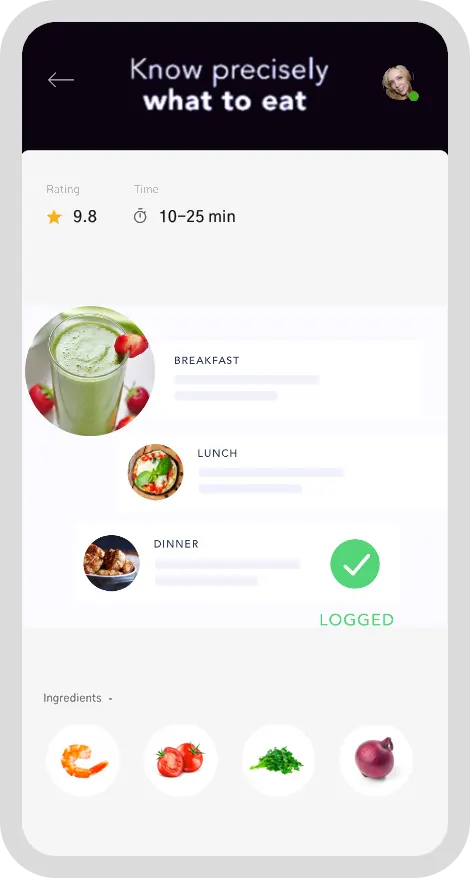
Make it your own. Meal plans are designed dependent on your goals, calorie needs and limitations.

Get Shopping Lists
Create a basic shopping list from your prescribed diet and calorie tracking. Then shop by recipe or store aisle, checking off items along the way.

Your Food Diary
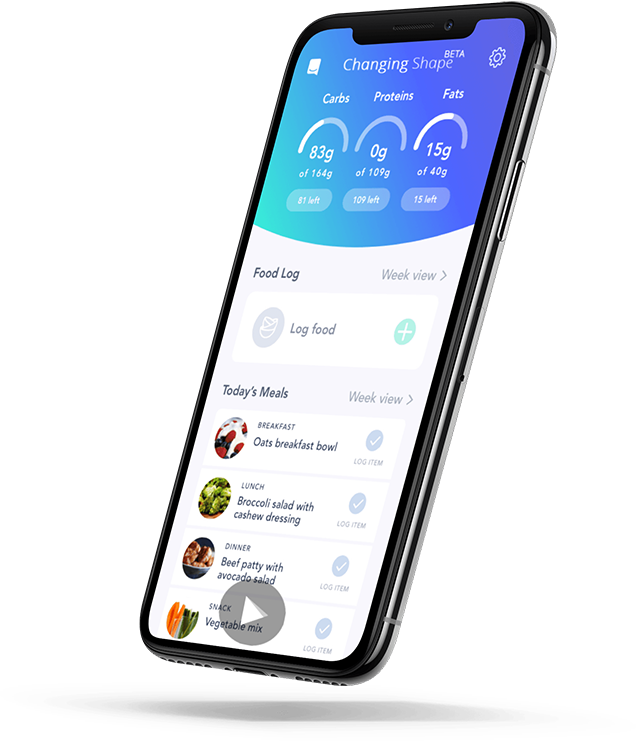
Log your meal plans and keep track of what, how much and when you are eating. Never lose track of your calories and goals again.

AI Nutrition Tracker
Using Machine Learning, nutrition data for each meal, recipe or restaurant item will be logged based on your calorie goals.

Menu Scanner AR Lens
While dining out, simply point your phone at the menu to see the restaurant items scored based on your dietary, calories and health goals.

Smart Restaurant Finder
Smart scoring for close by and your most loved eateries and menu options.

Personalized Meal Planner
Based on your calorie goals, get simple to-make food ideas and options all week long.

Browse Recipes
Want to eat something new? Recipes to help you decide what cuisines, food types and dietary options comply with your calorie needs.

Where to Shop
Ideas on where to shop in your area that will help you develop your grocery list and budget.
+500k
Restaurants
35M
Menu Items
600k
Grocery Items
+1.5M
Recipes

Get Fit on Your Terms
Instant access to workouts anywhere, anytime - from home, the gym or even when traveling.

Sweat With the Best
Cutting-edge routines designed by certified professionals based on client lifestyle, preferences and goals.

Your Support Team
Connect direct with our elite staff for guidance, inspiration and continued support. Teamwork makes us all better.

Coaching That Works for You
Coaching can get results in the gym or remotely. Coaching adapts to the circumstances and finds solutions. Coaching provides clarity during uncertainty.

Realistic Approach to Fitness & Diet
One size does not fit all. When you become a member, you will receive personalized tools and programs to help ensure the achievement of your health and fitness goals.

Is It Free?
Given the current economic challenges many are facing considering COVID-19, we’re offering the beta app with a “Name Your Own Price” feature, from free on up, for a limited time.
In the News


Get your position on the beta-tester waitlist today.
The waitlist is an exclusive, limited time offer. Seats are numbered. Enter your details below today.